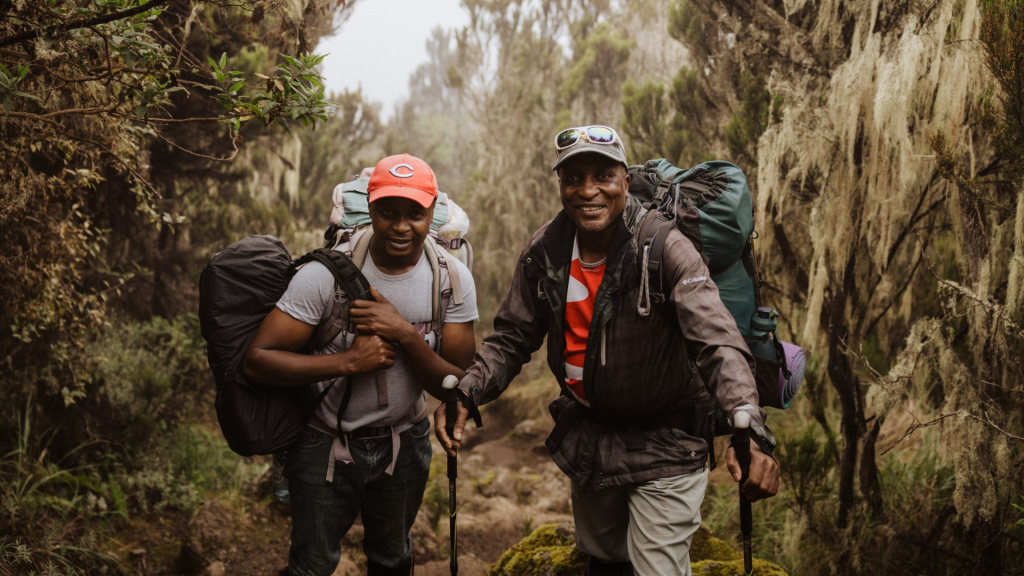
At 19,341 feet, the quality of your guide isn’t a small detail — it’s your safety system.
Choosing the best Kilimanjaro guide company is one of the most important decisions you’ll make for your climb. Routes matter. Itinerary length matters. But the structure, certifications, and judgment of your Kilimanjaro guides will ultimately determine your summit experience.
If you’re planning a 2026 expedition, these 15 questions will help you identify certified Kilimanjaro guides who prioritize safety, acclimatization, and responsible leadership.
Why These Questions Protect You
Altitude sickness is unpredictable. Summit night decisions happen in extreme conditions. Evacuation logistics must be pre-planned not improvised.
Asking the right questions ensures:
- Proper medical oversight
- Safe pacing strategies
- Structured emergency protocols
- Ethical crew management
- Clear decision-making authority
The safest Kilimanjaro guides welcome these questions and answer them confidently.
1. What medical certifications do your guides hold?
Look for Wilderness First Responder (WFR) or equivalent high-altitude medical training.
2. Are your guides registered with TANAPA?
All professional guides should be officially registered with Tanzania National Parks.
3. What is your guide-to-climber ratio?
Ideal ratio: 1 guide per 2–3 climbers, especially for summit night.
4. Do you carry emergency oxygen on every climb?
Emergency oxygen should never be optional.
5. How do you monitor altitude sickness?
Ask about pulse oximeter checks and twice-daily symptom assessments.
Safety guide → https://climbkili.com/climb-kili-blog/kilimanjaro-safety-guide/
6. How many years has your lead guide been climbing Kilimanjaro?
Experience in real summit conditions matters.
7. Have your guides worked on both Lemosho and Machame routes?
Exposure to multiple routes builds stronger operational knowledge.
8. What happens if someone develops altitude sickness?
Listen carefully to how descent decisions are handled.
9. Do assistant guides support summit night?
Summit night requires layered leadership and pacing support.
10. Are your operations KPAP-aligned?
Ethical porter treatment reflects structured expedition management.
KPAP guide → https://climbkili.com/climb-kili-blog/kpap-vs-non-kpap-kilimanjaro-guide/
11. What is your summit success rate and how is it calculated?
Success rates should be based on 7–8 day itineraries, not rushed climbs.
12. How large are your groups?
Smaller groups improve monitoring, pacing, and morale.
13. What evacuation procedures are in place?
Ask about radios, satellite phones, and coordination systems.
14. How do you structure acclimatization days?
Proper pacing matters more than speed.
15. Who makes the final summit decision?
Professional guides prioritize safety over summit pressure.
Hiring Independent Guides vs Established Operators
Some climbers consider hiring independent Kilimanjaro guides instead of working with an established operator.
Important differences:
- Infrastructure support (oxygen access, backup guides)
- Structured evacuation systems
- Equipment quality and redundancy
- Administrative coordination with park authorities
- Ethical crew oversight
Great individual guides thrive within strong operational systems. The best Kilimanjaro guide companies provide the structure that supports guide decision-making.
Red Flags to Watch For
- Vague answers about certifications
- Large group sizes (10+ climbers)
- No mention of oxygen
- Aggressive marketing about “guaranteed summits”
- Unclear evacuation protocols
Transparency equals professionalism.
Downloadable Interview Checklist
Want a printable version of these 15 questions?
Create your own interview checklist and bring it to every consultation. The way a company responds clearly or defensively will tell you everything you need to know.
How Climb Kili Structures Its Guide Teams
Climb Kili maintains:
- Maximum 6 climbers per group
- 1:2–3 guide-to-climber ratio
- Wilderness First Responder–trained leaders
- Twice-daily health monitoring
- Emergency oxygen on every climb
- KPAP-aligned ethical operations
Our guides rise through the ranks from porter to assistant guide to lead guide building real mountain experience.
Related Kilimanjaro Research & Planning Resources
If you’re comparing the top Kilimanjaro tour operators in 2026, you may also find these in-depth guides helpful when narrowing your decision:
- Best Kilimanjaro Guides – What certifications and experience truly matter on summit day
- Best Kilimanjaro Route – A detailed breakdown of route safety, acclimatization, and scenery comparisons:
- Best Kilimanjaro Tour Company – What separates premium expedition teams from budget operators:
- Best Kilimanjaro Tour Operators – Safety standards, infrastructure, and summit strategy compared:
- Best Kilimanjaro Tours – What’s included in high-quality 7–8 day expeditions:
- Kilimanjaro Lemosho Route Guide – Why the 8-day Lemosho route offers superior acclimatization:
- Kilimanjaro Machame Route Guide – A closer look at the 7-day Machame route profile:
- Mt Kilimanjaro Bookings Guide – What to know before securing your climb and avoiding hidden costs:
Final Thoughts
Hiring Kilimanjaro guides isn’t about finding the loudest marketing — it’s about asking the right questions.
The right questions don’t just protect your summit — they protect your life on the mountain.
Tutaonana juu ya mlima (See you on the mountain) 💚🏔️