At 19,341 feet, certification isn’t optional it’s essential.
If you’re researching the best Kilimanjaro guides in 2026, understanding their training and credentials is one of the most important steps in choosing a safe expedition.
Professional mountain guides on Kilimanjaro should combine medical training, altitude expertise, leadership experience, and structured emergency preparedness.
Here’s what to look for.
1. Wilderness First Responder (WFR) Certification
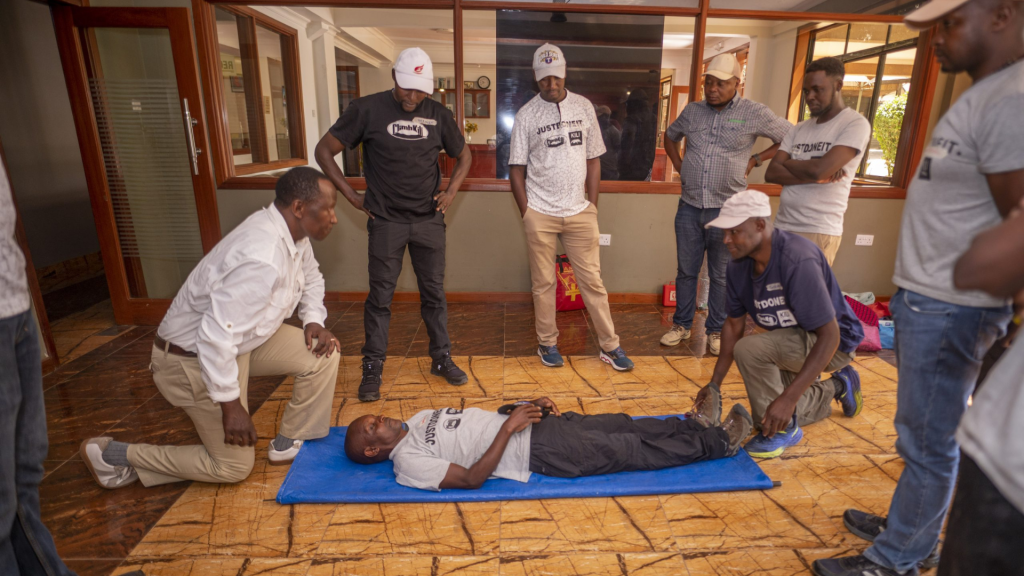
WFR is considered the gold standard for high-altitude guiding.
This training includes:
- Advanced first aid
- High-altitude illness recognition
- Evacuation coordination
- Trauma response
- Patient assessment in remote environments
Guides with WFR training are equipped to handle altitude-related emergencies quickly and professionally.
2. TANAPA Registration & Licensing
All professional Kilimanjaro guides must be registered with Tanzania National Parks (TANAPA).
Official licensing ensures:
- Legal authorization to guide
- Park compliance knowledge
- Environmental responsibility standards
- Structured tourism oversight
Unregistered guiding is a major red flag.
3. Altitude Sickness Recognition Training
Altitude is the primary risk on Kilimanjaro.
Properly trained guides should be skilled in:
- Identifying Acute Mountain Sickness (AMS)
- Recognizing HAPE and HACE symptoms
- Conducting pulse oximeter checks
- Making conservative descent decisions
Structured altitude monitoring is a defining feature of the safest Kilimanjaro guides.
4. Emergency Oxygen & Medical Protocol Training
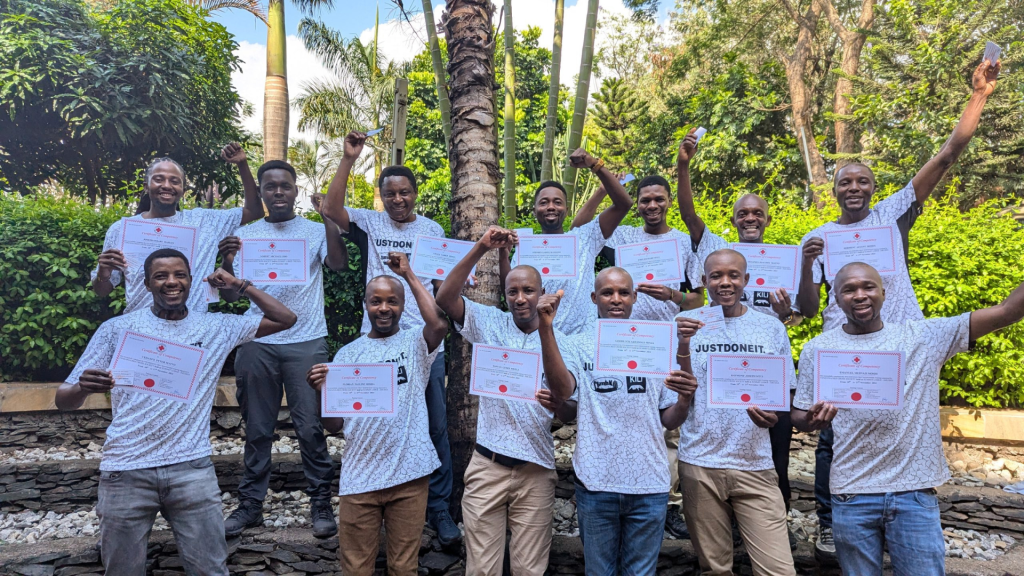
Certification alone isn’t enough guides must know how to use equipment correctly.
Look for training that includes:
- Oxygen administration protocols
- High-camp emergency response
- Radio/satellite communication procedures
- Coordinated evacuation systems
5. Progressive Mountain Experience
Many of the most experienced Kilimanjaro mountain guides began as porters.
Progression typically includes:
- Porter
- Assistant guide
- Lead guide
This progression builds deep operational knowledge — from logistics to leadership.
6. KPAP Awareness & Ethical Leadership
While KPAP (Kilimanjaro Porters Assistance Project) focuses on porter welfare, professional guides should understand and support ethical standards.
KPAP alignment ensures:
- Fair porter load limits
- Transparent wage structure
- Proper crew treatment
Ethical infrastructure reflects operational professionalism.
KPAP breakdown →https://climbkili.com/climb-kili-blog/kpap-vs-non-kpap-kilimanjaro-guide/
7. Leadership & Decision-Making Training
Technical certification matters — but judgment matters more.
Strong Kilimanjaro guides demonstrate:
- Calm leadership under stress
- Clear communication
- Conservative summit decision-making
- Strong team morale management
At altitude, experience and composure often define success.
Certification Checklist for 2026
Before booking, confirm your guide team has:
- Wilderness First Responder (WFR) training
- TANAPA registration
- Altitude illness recognition expertise
- Oxygen administration training
- Structured evacuation protocols
- Ethical operational alignment
If any of these are unclear, ask direct questions.
Where Climb Kili’s Guides Stand
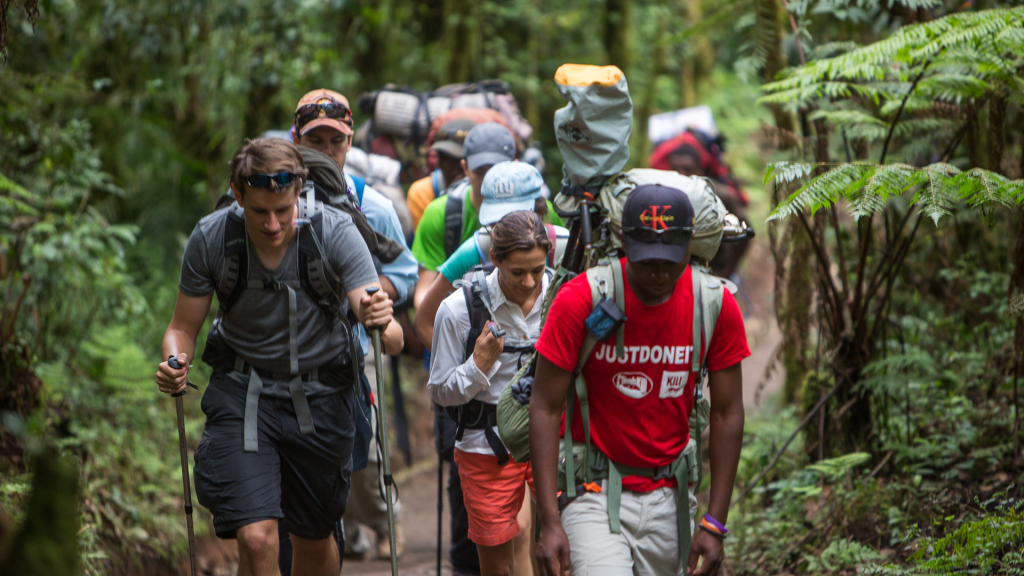
Climb Kili’s guide team includes:
- Wilderness First Responder–trained leaders
- TANAPA-registered professionals
- Twice-daily altitude monitoring
- Emergency oxygen on every climb
- Structured evacuation systems
- KPAP-aligned ethical operations
Our guides rise through the ranks building experience from porter to lead guide.
Final Thoughts
Choosing the right certifications isn’t about paperwork — it’s about protection.
In 2026, the best Kilimanjaro guides combine medical training, altitude expertise, ethical leadership, and calm decision-making.
Because on Africa’s highest peak, preparation isn’t optional it’s everything.
Tutaonana juu ya mlima (See you on the mountain) 💚🏔️