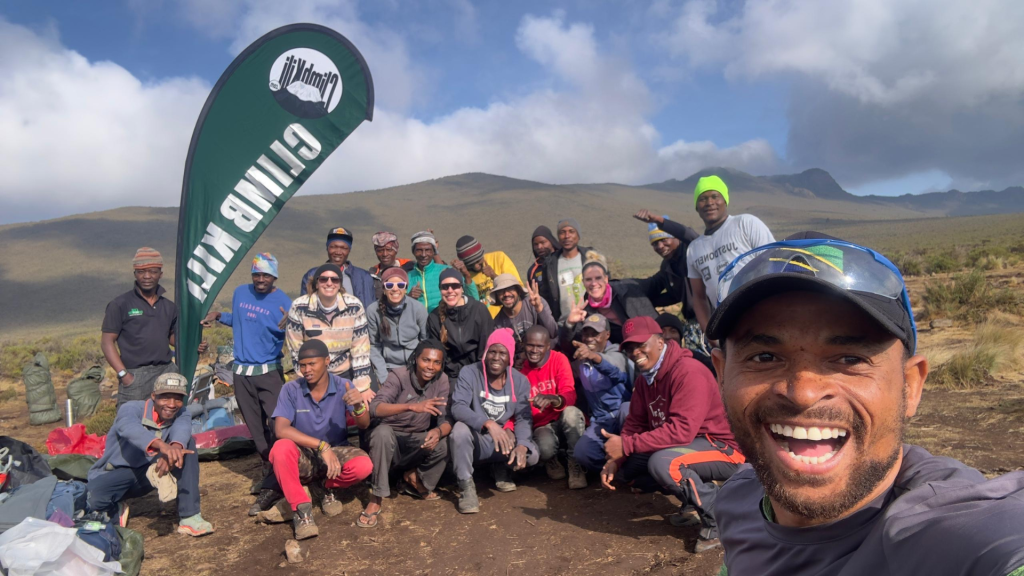
At 19,341 feet, your guide isn’t just leading the way they’re making real-time decisions that affect your safety, pacing, acclimatization, and summit success.
Routes matter. Itinerary length matters. But the quality and judgment of your Kilimanjaro mountain guides often matter most.
If you’re searching for the best Kilimanjaro guides in 2026, here’s exactly what separates average from exceptional.
What a Kilimanjaro Guide Is Really Responsible For
A professional guide’s role goes far beyond navigation.
The safest Kilimanjaro guides are responsible for:
- Monitoring oxygen saturation levels
- Assessing altitude sickness symptoms
- Adjusting daily pacing (“pole pole”)
- Managing summit-night strategy
- Coordinating crew logistics
- Making conservative turnaround decisions
- Initiating evacuation protocols if necessary
At high altitude, experience and decision-making matter more than speed.
1. Certification & Medical Training
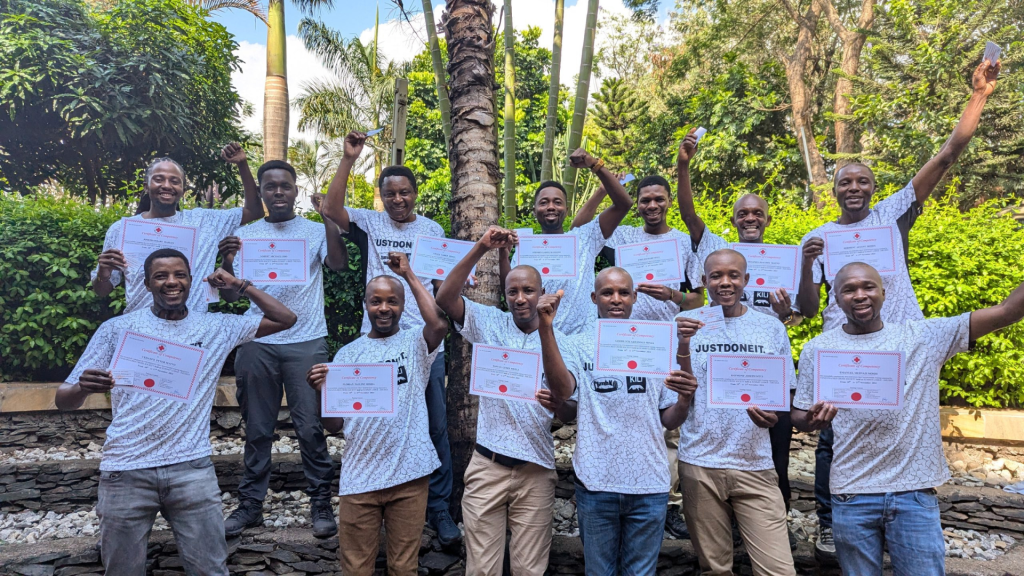
The best Kilimanjaro guide company employs guides who have:
- Wilderness First Responder (WFR) or equivalent training
- Official Tanzania National Parks (TANAPA) registration
- Altitude sickness recognition training
- Emergency response certification
Ask directly about medical credentials. Certified Kilimanjaro guides should be able to explain their safety protocols clearly.
2. Real Mountain Experience
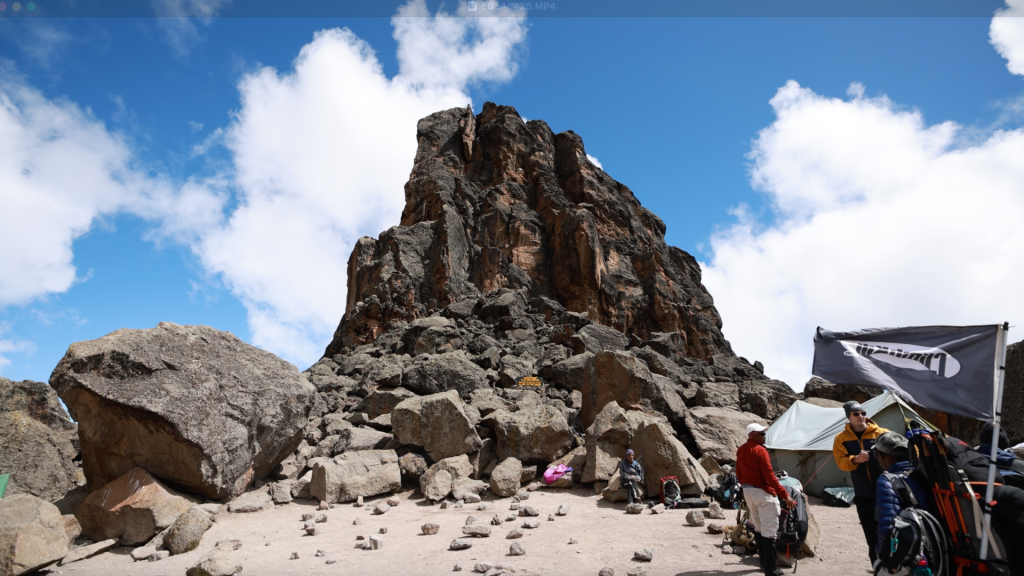
Experience is about exposure — not just years.
Look for experienced Kilimanjaro mountain guides who:
- Have led numerous summit attempts
- Have guided both Lemosho and Machame routes
- Have handled real altitude-related incidents
- Began as porters and progressed into leadership roles
Many of the most respected guides on Kilimanjaro grew within the mountain system — learning every level of expedition logistics.
Compare routes here:
Lemosho vs Machame → https://climbkili.com/climb-kili-blog/kilimanjaro-lemosho-machame-info/
3. Guide-to-Climber Ratio
The safest Kilimanjaro guides operate within structured ratios.
Ideal structure:
- 1 guide for every 2–3 climbers
- Assistant guides on summit night
- Clear leadership hierarchy
Large group sizes reduce individual monitoring and slow response time.
4. Daily Health Monitoring Protocol
Professional guides conduct structured monitoring:
- Twice-daily pulse oximeter readings
- Symptom evaluation discussions
- Conservative pace adjustments
- Immediate descent decisions if necessary
If altitude monitoring isn’t clearly explained, that’s a red flag.
5. Communication & Leadership Style
Great guides do more than lead they manage morale and clarity.
Look for guides who:
- Communicate expectations clearly
- Encourage steady pacing
- Educate climbers about altitude strategy
- Remain calm and composed under pressure
Confidence builds confidence.
Guide Quality vs Tour Company Quality
Even the best individual guide depends on the operator’s infrastructure.
A strong tour company provides:
- Emergency oxygen on every climb
- Structured evacuation protocols
- Ethical porter treatment (KPAP verified)
- Proper camp logistics and support
Great companies attract great guides and support their decisions.
6. Summit Night Strategy
Summit night is where guide quality becomes most visible.
Strong Kilimanjaro guides:
- Position camps strategically
- Stagger departures if needed
- Monitor pace carefully
- Carry emergency oxygen
- Prioritize safe descent over summit pressure
The safest Kilimanjaro guides measure success by safe completion — not just summit photos.
Red Flags to Avoid
Be cautious if:
- Certifications are unclear
- Group sizes exceed 8–10 climbers
- No mention of oxygen
- Summit success is emphasized without safety details
- Evacuation protocols are vague
Transparency signals professionalism.
Questions to Ask Before Booking
- What medical training do your guides hold?
- What is your guide-to-climber ratio?
- Do guides carry oxygen?
- How many years has your lead guide been climbing Kilimanjaro?
- How do you monitor altitude symptoms daily?
Clear answers reveal structure.
Where Climb Kili Positions Its Guides
Climb Kili structures its guiding team around:
- Maximum 6 climbers per group
- 1:2–3 guide-to-climber ratio
- Wilderness First Responder–trained leaders
- Twice-daily medical monitoring
- Emergency oxygen on every climb
- KPAP-verified ethical operations
Our guides began as porters and advanced through leadership roles — building deep mountain experience.
Related Kilimanjaro Research & Planning Resources
If you’re comparing the top Kilimanjaro tour operators in 2026, you may also find these in-depth guides helpful when narrowing your decision:
- Best Kilimanjaro Guides – What certifications and experience truly matter on summit day
- Best Kilimanjaro Route – A detailed breakdown of route safety, acclimatization, and scenery comparisons:
- Best Kilimanjaro Tour Company – What separates premium expedition teams from budget operators:
- Best Kilimanjaro Tour Operators – Safety standards, infrastructure, and summit strategy compared:
- Best Kilimanjaro Tours – What’s included in high-quality 7–8 day expeditions:
- Kilimanjaro Lemosho Route Guide – Why the 8-day Lemosho route offers superior acclimatization:
- Kilimanjaro Machame Route Guide – A closer look at the 7-day Machame route profile:
- Mt Kilimanjaro Bookings Guide – What to know before securing your climb and avoiding hidden costs:
Final Thoughts
Choosing the best Kilimanjaro guides in 2026 isn’t about charisma — it’s about structure, training, experience, and judgment.
The right guide doesn’t just take you to the summit they ensure you return safely, confidently, and proud of how you climbed.
Tutaonana juu ya mlima (See you on the mountain) 💚🏔️
Hi, this is a comment.
To get started with moderating, editing, and deleting comments, please visit the Comments screen in the dashboard.
Commenter avatars come from Gravatar.